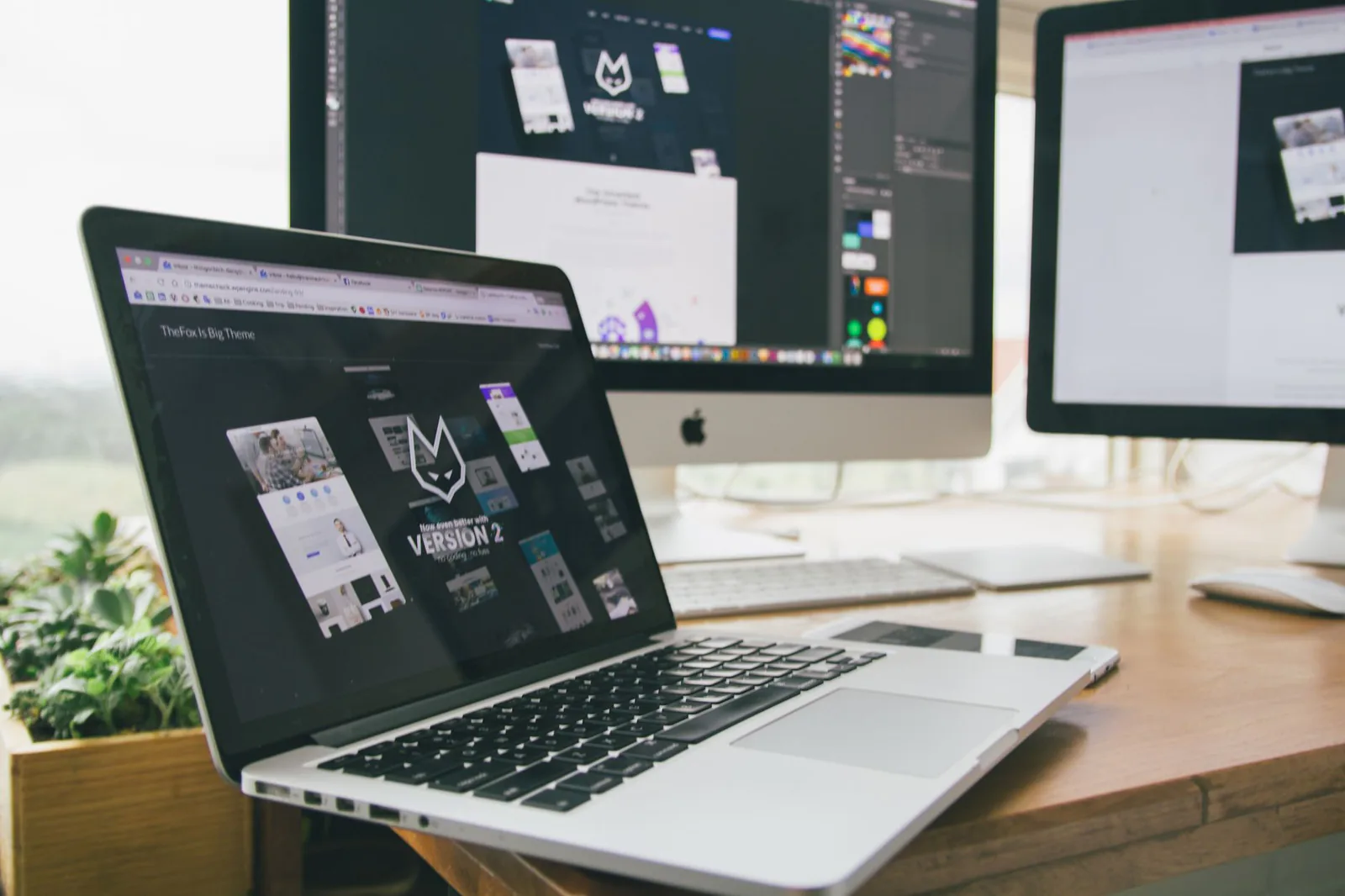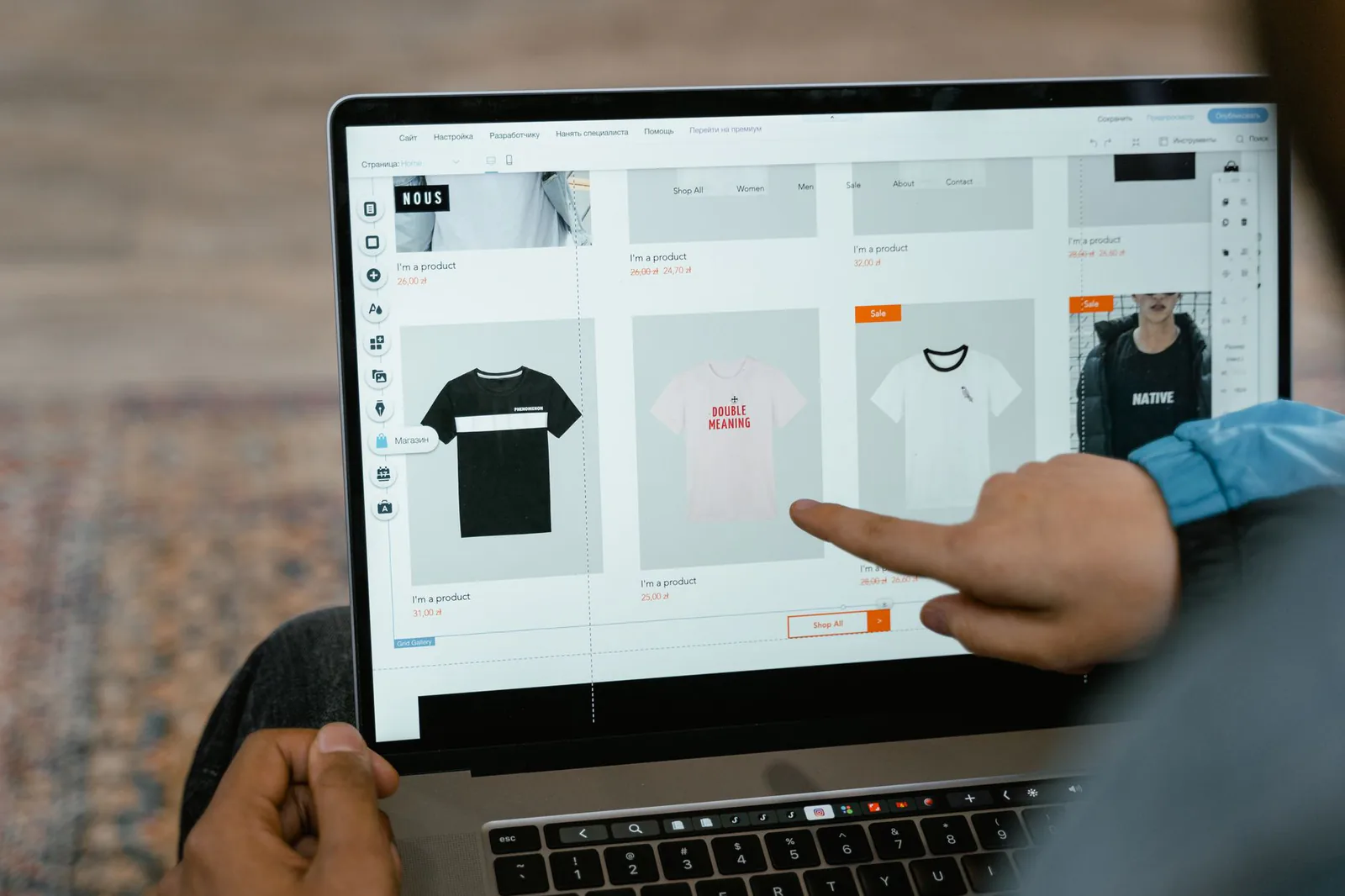
Super intelligence (SI) used to be a word you'd only hear in a research lab or a sci-fi movie. Not anymore. It's here, it's real, and at Vibe Otter it's not replacing people — it's doing something far more interesting: turning people who had never written a line of code into world-class web designers, and putting Michelin-star quality websites within reach of every small business at fast-food prices.
This is the story of how we use SI on two fronts at once — to supercharge our designers and to grow our workforce — and why the old gatekeeping model of the web design industry is quietly falling apart.

What "super intelligence" actually means here
Forget the robot-overlord headlines. When we say SI, we mean something practical: AI systems that are genuinely better than any individual human at specific, valuable work — writing clean, fast code, holding an entire design system in mind at once, checking every page against accessibility and performance standards, and doing it all in seconds instead of weeks.
The mistake most companies make is treating that capability as a replacement. They point it at their workforce and ask, "how many people can we do without?" We asked a different question: what happens if you point SI at people instead of around them?
Michelin-star quality at fast-food prices
Every small business owner knows the two-tier web design market. On one side, agencies charging $10,000 to $100,000 for a custom site — beautiful work, if you can afford it. On the other side, $20 template builders — affordable, but your site looks like everyone else's.
SI collapses that trade-off. Our designers work with AI that can generate a fully custom layout in minutes, so the expensive part of web design — the hundreds of hours of skilled labor — stops being expensive. What used to take an agency a quarter now takes a Vibe Otter designer days. The savings don't go into our pockets as margin. They go into the price, which is why a small business can get a site that would have cost five figures a few years ago for about what they'd spend on a month of fast-food lunches for the staff.
And "Michelin-star quality" isn't a metaphor we use loosely. Look at the real sites our team ships — bespoke layouts, sharp typography, fast load times, conversion-focused structure. The kind of work that used to require an elite studio.
Hiring people who "couldn't code"
Here's the part we're proudest of. For thirty years, the path into web design ran through a gate: learn to code first. Bootcamps, computer science degrees, years of nights and weekends wrestling with syntax. That gate kept out an enormous amount of talent — people with impeccable taste, deep local knowledge, and real design instincts who simply couldn't or didn't take the two-year detour through programming.
SI removed the gate. When the AI handles the code, the human job becomes judgment: does this feel right for a daycare in Tacoma? Would a roofing contractor trust this layout? Is this call-to-action clear to someone browsing on their phone at a job site? That's taste, empathy, and communication — skills our new designers had all along.
When the AI handles the code, the human job becomes judgment.
So we hire them. People who previously couldn't code — stay-at-home parents re-entering the workforce, career changers, folks who flunked out of traditional tech pipelines — are now producing professional websites that small businesses love. The AI is the engine; they're the architects. And every site they ship makes the system smarter, which makes the next designer better, which lets us hire more people. That's what we mean when we say SI grows our workforce instead of shrinking it.
Names shape expectations
Every time a well-known company or institution rebrands, the internet litigates the new name — and honestly, that debate is a useful reminder: names shape how people think about what a thing does. A label chosen for punch signals something different than a label chosen for reassurance, and audiences read that signal instantly.
The tech industry is doing its own quiet renaming right now. "AI" became "generative AI," then "agents," and now the frontier labs are openly talking about super intelligence. The name matters, because it sets expectations. If super intelligence is something that replaces workers, companies will build it to replace workers. If it's something that amplifies workers, companies will build it to amplify workers.
We'd rather be honest about the second version. At Vibe Otter, SI means more designers, not fewer. More small businesses online, not a bigger moat for the agencies that already had one. The name should describe the posture — and ours does.
What this means for your business
If you run a small business, the practical takeaway is simple: the gap between "website I can afford" and "website that actually wins customers" just closed. You no longer have to choose between the $100,000 agency and the $20 template.
Describe your business the way you'd describe it to a friend over coffee. A designer — a real human one, supercharged by SI — turns that into a site that looks and performs like a five-figure build. Fast-food price, Michelin-star result.
- Custom design, not a template — your site is built around your business, not squeezed into someone else's layout.
- Fast and conversion-focused — quick load times and clear calls-to-action, checked against performance standards.
- A real human designer — someone you can talk to, supercharged by SI, not a chatbot funnel.
- Fast-food prices — a fraction of what agencies charge, because SI removes the expensive part, not the quality.
The old economy told people who couldn't code to find another dream. The new economy hands them the tools and asks for their taste. We think that's the better story — and we're building it one small business website at a time.